The Handmade Means Better Myth
Why handmade means better is not a safe assumption: learn to assess an object's construction, finish and intended use before choosing or caring for it.

At a market stall, a hand-thrown cup catches the light unevenly; beside it, a factory-made cup has a smooth, regular rim. The first may feel more distinctive, but “handmade means better” is not a reliable way to judge either one. Handwork describes how an object was made, not how well it will serve or whether it suits the job you have in mind.
That distinction matters with Italian-made goods, from leather accessories and wooden utensils to glassware and metalwork. A maker’s involvement can shape an object in meaningful ways, yet usefulness still depends on materials, construction, finish and intended purpose. Visible traces of the hand are clues to a process, not proof of quality.
What handmade means
The word can describe a whole object made by one person, a piece shaped by hand with powered tools, or an item assembled from components made elsewhere. It may refer to a production method, a workshop tradition or simply a seller’s broad description. Unless the maker explains further, it does not tell you which operations were done by hand or who carried them out.
Handmade does not necessarily mean that every item is wholly individual. A craftsperson may use a mould, jig or template to keep a series consistent. A factory may combine machine work with skilled hand-finishing. These are different production arrangements, not a ranking from inferior to superior.
Handwork can allow close attention to small adjustments and preserve a particular technique. But it can also leave a weak joint or an awkward shape if the design or execution is poor. A carefully engineered object made through repeatable processes may be dependable and comfortable to use. The method is one clue; the object itself offers more to inspect.
Construction and repair
Focus on the places that bear stress. On a handled basket, examine how the handle joins the body. On a leather bag, look at seams, edges and strap attachments. On a wooden utensil, notice whether the grain and shape leave a thin, vulnerable area where the object will be held or loaded.
Check whether parts meet cleanly and whether the design makes sense for its likely use. A decorative wooden box may have a fine lid fit, but that says little about its hinges or closure. A hand-stitched seam is not automatically stronger than a machine seam; thread, stitch placement, leather and construction all matter.
Repairability is another part of the object’s material story. A worn handle that can be replaced or a loose screw that can be tightened gives an owner options. Bonded layers and concealed fittings may make repair more difficult. Neither arrangement settles quality by itself, but it changes what maintaining the object may involve.
Say you are considering a handwoven market basket for carrying groceries. Its handle joins the body through narrow woven strips, while the base feels firm when set down. The seller says it is intended for light shopping. If you plan to carry jars, ask whether the handle is suited to that load; if the answer is unclear, choose a basket with a more substantial attachment or reserve this one for lighter goods. The point is to connect a visible construction detail with the work you expect it to do.
Surface and material clues
A polished surface, neat edge or even glaze may show care, but appearance alone cannot tell you how an object responds to handling, moisture, heat or abrasion. Look for finishing choices that make sense for the material and purpose.
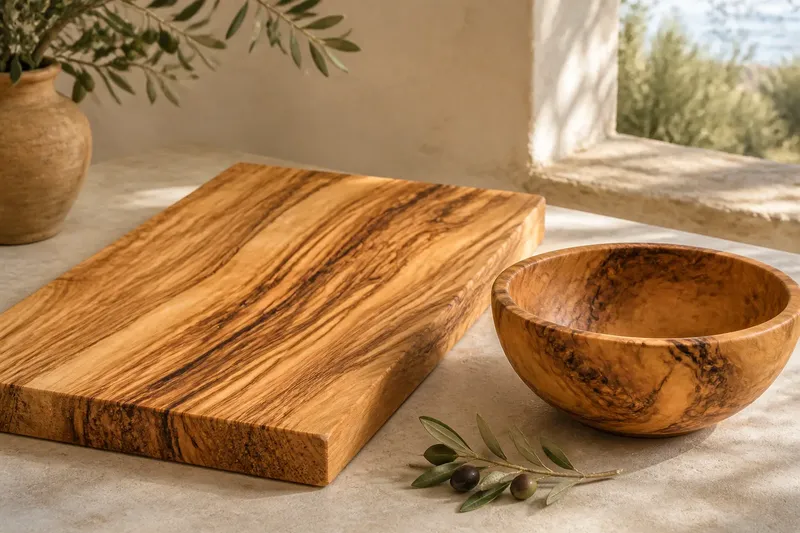
On leather, inspect cut edges and the meeting point between lining and outer material. On wood, check for splinters or a coating that seems unsuitable for frequent food contact. On ceramics, look for a stable base and a rim that is comfortable to handle. A minor irregularity may be harmless; a crack, sharp edge or finish that is lifting merits a question.
Colour shifts, tool marks and variations in texture may come from the material or process. They do not prove durability, and they should not automatically be mistaken for damage. Ask whether an irregularity is intentional and whether it affects use. For food-contact goods, rely on the maker’s information about coatings and cleaning, and consult applicable local requirements if the intended use is uncertain.
Questions about handmade goods?
Does handmade mean better quality?
No. The label describes a production approach, while quality depends on the particular object’s design, materials and construction. Inspect the features relevant to its intended use rather than treating the label as a verdict.
Do visible irregularities mean a defect?
Not always; variation may be natural or intentional. Check whether it affects comfort, stability, cleanliness or function, and ask the seller to clarify anything uncertain.
What should I ask the maker?
Ask which parts were made or finished by hand, what materials and coatings were used, and what the object is designed to do. The answers can help you decide whether its construction and care suit your intended use.
Is machine-made always less considered?
No. Repeatable production can make consistent objects, while skilled handwork can bring close attention to form and detail. Judge the result and its suitability rather than assuming either method produces a better object.
Choose by the evidence
Before deciding, use this short inspection list. Each observation points to a practical choice rather than a general judgement about craft:
- Check whether joints, seams or attachments sit securely; if they move or gape, ask about repair or choose another construction.
- Check for cracks, sharp edges or lifting finishes; if any are present, ask whether they affect safe use, and decline the item if the answer remains unclear.
- Check that the base or feet sit steadily; if the object rocks, test it on a level surface and choose a more stable form if it remains unsteady.
- Check whether the material suits the intended task; if the maker cannot clarify a coating or food-contact use, reserve the object for display or select one with clear care information.
- Check whether likely wear points can be maintained; if a handle or fitting cannot be repaired, decide whether that limits the object’s place in your home.
- Check whether the care directions fit your routine; if they require attention you cannot give, choose a material or finish that better suits your habits.
Imagine you want a wooden spoon for stirring a pot and find one with a rough patch near the bowl. You intend to use it with food and prefer to clean utensils by hand. Ask the seller what finish is on the spoon and whether the rough area is deliberate; if the finish is suitable and the patch is smooth after clarification, it may suit your purpose, while an uncertain coating or splintering surface is a reason to choose another spoon. The decision follows from its material and finish, not from whether the spoon was shaped by hand.
When a seller describes an item as handmade, treat that as an invitation to ask what the description means. The phrase “handmade means better” captures a familiar assumption, but a sound choice comes from matching the object’s actual construction and materials to its purpose. A small irregularity may be part of its character; knowing which details affect use lets you appreciate the work without asking the label to do the judging.